
Forget what the casino homepage tells you—we dug into the data to find out which table card games are actually dominating online casinos right now. Some of these results surprised even us.
Walk into any online casino lobby and you’ll be bombarded with hundreds of options. Slots everywhere, live dealer games flashing at you, scratch cards nobody asked for. But buried in all that noise are the classic table card games that have been the backbone of gambling for decades.
Here’s the thing though: not all card games are created equal. Some are absolute juggernauts with millions of daily players. Others are niche favorites with devoted fanbases. And a few are basically dead in the water, kept alive only by stubborn traditionalists.
We’re breaking down the real popularity rankings, what makes each game tick, and why certain card games are thriving online while others are gathering dust.
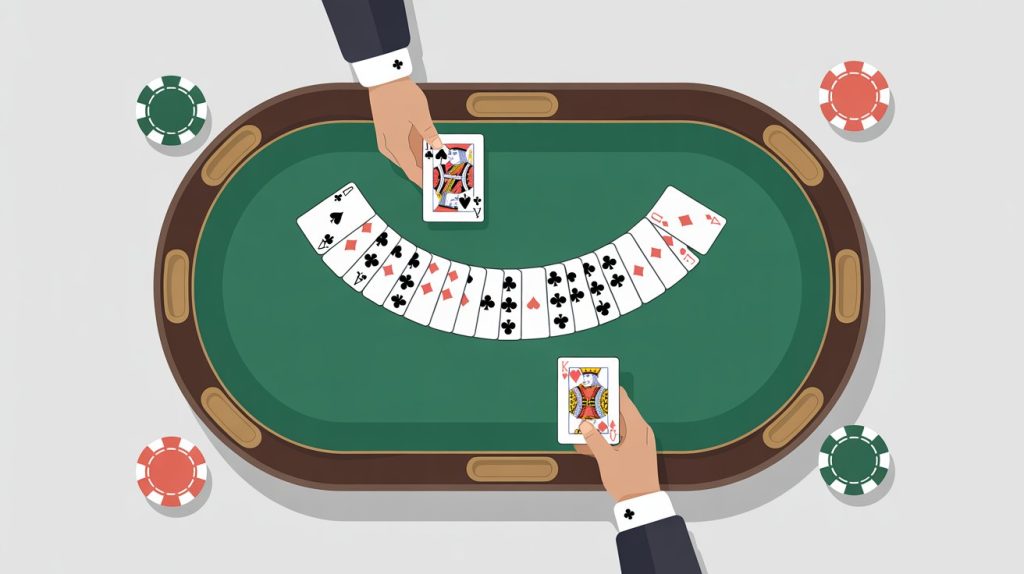
Blackjack: The Undisputed King
Let’s just get this out of the way: blackjack is the heavyweight champion of online casino card games, and it’s not even close.
Why it dominates:
The appeal is simple—blackjack offers the best odds of any casino card game if you know basic strategy. The house edge can drop below 1% with optimal play, which is insane compared to most casino games. Players aren’t just gambling; they’re applying skill, making decisions, and actually influencing the outcome.
Every major online casino has at least a dozen blackjack variants. Classic blackjack, European blackjack, Atlantic City rules, Spanish 21, Blackjack Switch—the list goes on. And that’s before you even get into the live dealer versions with real cards and actual human dealers streaming from studios.
Industry data suggests blackjack accounts for roughly 30-40% of all table game traffic in online casinos. That’s absurd market dominance.
What makes it work online:
Blackjack translates perfectly to digital. The gameplay is fast-paced (30-45 seconds per hand), the rules are straightforward enough for beginners but deep enough for serious players, and the social pressure of a physical table is gone. You can play at your own speed, consult strategy charts without feeling judged, and nobody’s watching you hit on 16 against a dealer’s 7.
Plus, the live dealer versions have absolutely exploded in popularity. You get the convenience of playing from home with the authenticity of real cards being dealt by actual people. It’s the best of both worlds.
Who’s playing:
Everyone. Seriously. Blackjack attracts casual players looking for better odds than slots, strategy nerds optimizing every decision, high rollers dropping thousands per hand at VIP tables, and everyone in between.
Baccarat: The High Roller’s Paradise
Here’s where things get interesting. In Western markets, baccarat is often viewed as this sophisticated James Bond game that most people don’t really understand. In Asian markets? It’s absolutely massive—possibly even bigger than blackjack.
The global split:
Baccarat’s popularity varies wildly by region. In Macau and across Asian gambling markets, baccarat can account for 80%+ of table game revenue. In Europe and North America, it’s more like 10-15%. But those numbers are shifting as online casinos expand globally and cultural gambling preferences blend together.
Why players love it:
Baccarat is dead simple—you’re basically betting on a coin flip (player or banker), with a third option (tie) that nobody with any sense touches regularly. The house edge is low (around 1.06% on banker bets), and there’s almost no decision-making required. You bet, cards are dealt automatically, and you either win or lose.
For high rollers, this simplicity is perfect. They’re not looking to grind out small edges with complex strategy—they want fast action with decent odds and the ability to bet huge amounts.
The squeeze phenomenon:
One reason baccarat has thrived online is the “squeeze” feature in live dealer versions. Players slowly reveal the cards by bending them—creating this dramatic, ritualistic tension. Live dealer baccarat recreates this with camera angles and dealer presentation, and it’s genuinely compelling to watch.
You’ll see players betting $500, $1,000, even $5,000 per hand, just waiting for that squeeze reveal. It’s theatrical in a way that most card games aren’t.
Poker Variants: The Complicated Family
Poker online splits into two completely different categories: player-versus-player poker (like Texas Hold’em) and player-versus-house poker variants (like Caribbean Stud, Three Card Poker, etc.).
Real poker vs. casino poker:
Texas Hold’em cash games and tournaments exist in a separate ecosystem—PokerStars, 888poker, dedicated platforms where you’re playing against other humans. These attract millions of players globally but aren’t really “casino games” in the traditional sense.
Casino poker variants—where you play against the house—have more modest followings:
- Three Card Poker: Probably the most popular variant. Quick gameplay, simple rules, and the Pair Plus side bet offers decent payouts. You’ll find it in most major online casinos.
- Caribbean Stud Poker: Used to be bigger but has faded. The progressive jackpot keeps some players interested, but the house edge (around 5.2%) turns off serious gamblers.
- Ultimate Texas Hold’em: Carved out a nice niche. It’s heads-up Texas Hold’em against the dealer with deep enough strategy to keep experienced players engaged.
Who plays these:
Poker variant players tend to be people who like poker but don’t want the pressure or time commitment of playing against other humans. It’s poker-flavored casino gambling rather than true poker—a different experience entirely.

Pai Gow Poker: The Slow Burn Favorite
Pai Gow Poker is fascinating because it’s simultaneously loved by a dedicated player base and completely ignored by the masses.
The appeal:
Pai Gow Poker is SLOW. You’re dealt seven cards and make a five-card hand and a two-card hand. You’re playing against the dealer, trying to beat both their hands to win. The catch? A huge percentage of hands end in a push (tie), so your bankroll doesn’t swing wildly.
For players who want to grind for hours without losing much money (or winning much, to be fair), Pai Gow Poker is perfect. The house edge is around 1.5%, pushes happen on 40%+ of hands, and you can play extended sessions without the emotional rollercoaster.
Why it’s niche:
It’s complicated for beginners, the pace is glacial compared to blackjack or baccarat, and the lack of dramatic wins/losses makes it less exciting. You won’t find many 25-year-olds grinding Pai Gow on a Friday night.
The crowd:
Older players, people who want low-volatility gambling, and anyone who enjoys the puzzle aspect of arranging hands optimally. It’s zen gambling—relaxed, strategic, and forgiving.
The Games Nobody Plays Anymore
Red Dog (Acey-Deucey):
Two cards are dealt, you bet whether a third falls between them in rank. Brutal house edge (around 3.2%), boring gameplay, almost no skill involved. You’ll occasionally find it in older casino software, but active player counts are near zero. It’s a curiosity, not a real option.
Punto Banco:
Essentially just another name for baccarat in many contexts. Some casinos list it separately for marketing or regional preferences, but the rules and experience are identical. If you know baccarat, you know Punto Banco.
Live Dealer: The Revolution
We need to talk about live dealer games because they’ve absolutely transformed online casino card games.
Live dealer games use real cards, real tables, and real human dealers streaming from professional studios. You’re placing bets digitally, but everything else is authentic. This innovation has made table games accessible to players who were skeptical of random number generators.
Which games benefit most:
- Blackjack: Thrives in live dealer format. Dozens of tables, various bet limits, side bets galore.
- Baccarat: The squeeze feature makes live baccarat incredibly popular, especially among Asian players.
- Poker variants: Three Card Poker and Caribbean Stud work well, though they’re less popular than the big two.
The social element brings back some casino floor atmosphere that pure digital games lack, and the transparency of watching actual cards being shuffled and dealt builds trust.
The Bottom Line: What Should You Actually Play?
Here’s the breakdown based on what you’re looking for:
Best odds and strategy: Blackjack, no contest. Learn basic strategy, find favorable rules, house edge under 1%.
High roller simplicity: Baccarat. Bet banker, avoid tie, repeat. Low house edge, fast action.
Long sessions without big swings: Pai Gow Poker. Slow, steady, strategic.
Poker without the competition: Three Card Poker or Ultimate Texas Hold’em. Fun, reasonably fair, scratch that poker itch.
Superior experience: Try live dealer versions of any game. The authenticity and social elements are genuinely better than standard digital versions.
What’s your go-to online casino card game? Are you team blackjack, or do you have a dark horse favorite that deserves more love? Drop a comment in our forums and let us know what the PokiesCritic community is actually playing.